How Car Key Replacement Works: Cutting, Transponders, and Programming
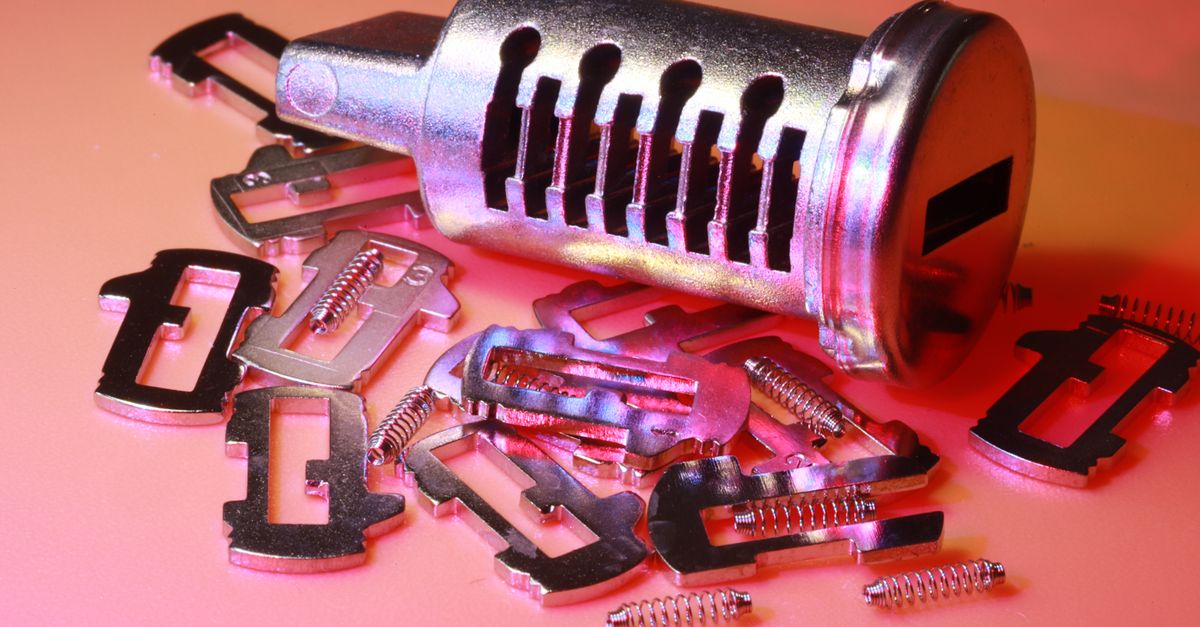
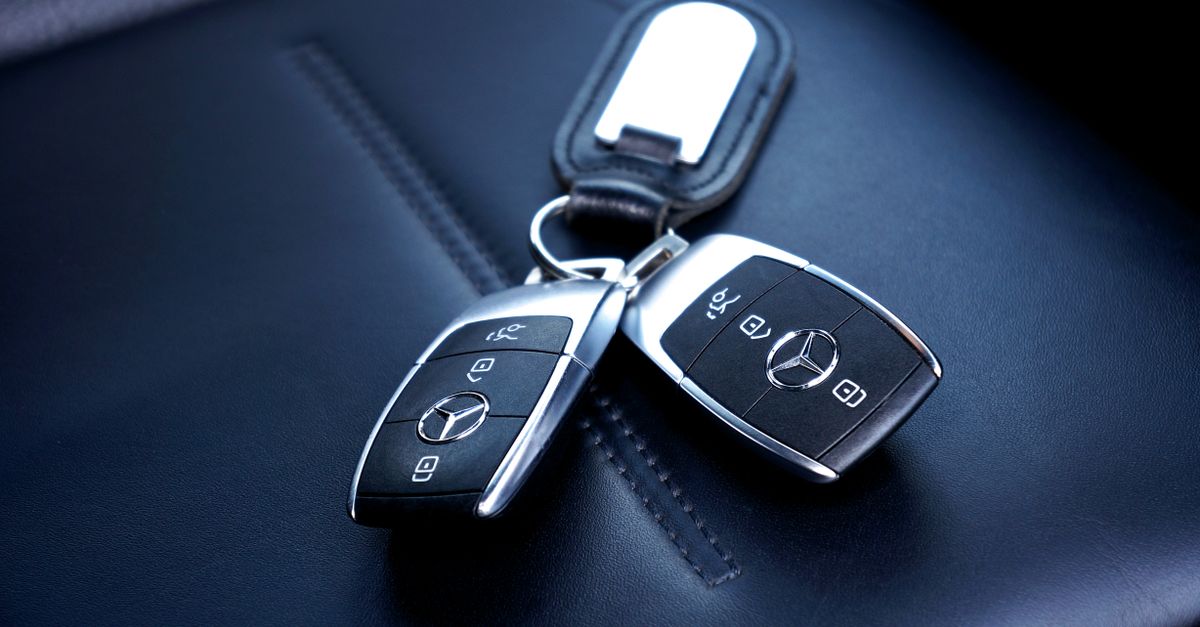
Every vehicle key replacement involves at least one — and usually two — distinct technical steps. The first is physical cutting: using your vehicle identification number or existing key profile to cut a new metal blade to the precise tolerances required by your door lock and ignition cylinder. The second, and increasingly complex, step is electronic programming. The vast majority of vehicles manufactured after the mid-1990s use a transponder chip embedded in the key head. When you insert the key and turn it, the ignition reads a radio-frequency signal from that chip. If the code does not match the immobilizer stored in your car's ECU, the engine will not start — even if the metal cut is perfect. Many newer vehicles go further, requiring key fobs, proximity remotes, or full smart-key pairing that communicates with multiple vehicle modules simultaneously.
Programming requirements differ sharply by manufacturer. Some older Toyota and Honda models allow a self-programming sequence if at least one working key is already present, but most modern vehicles — and virtually all European makes — require specialized diagnostic software that communicates directly with the vehicle's OBD-II port. Our technicians carry professional key programming equipment that spans a wide range of vehicle platforms, and we stay current with evolving model-year changes. Before any work begins, we confirm an exact up-front price so you know what to expect — no surprises after the job is done.