How a Tiered Master Key System Is Structured
A tiered hierarchy typically runs across three to five levels, depending on the complexity of the property. At the top sits the grand master key, held only by ownership or senior management, which opens every lock in the system. Below that, sub-master keys are cut to serve a defined zone — a single floor, a department, or a group of amenities like parking and storage. Change keys sit at the bottom of the pyramid: they open only one specific lock and nothing else. In between you can add as many intermediate levels as the building actually needs, which is why planning the matrix on paper before choosing hardware is non-negotiable. Rushing straight to cutting keys without a written plan produces conflicts — situations where a key unintentionally opens a lock it should not — and those mistakes are expensive to correct after cylinders are installed.
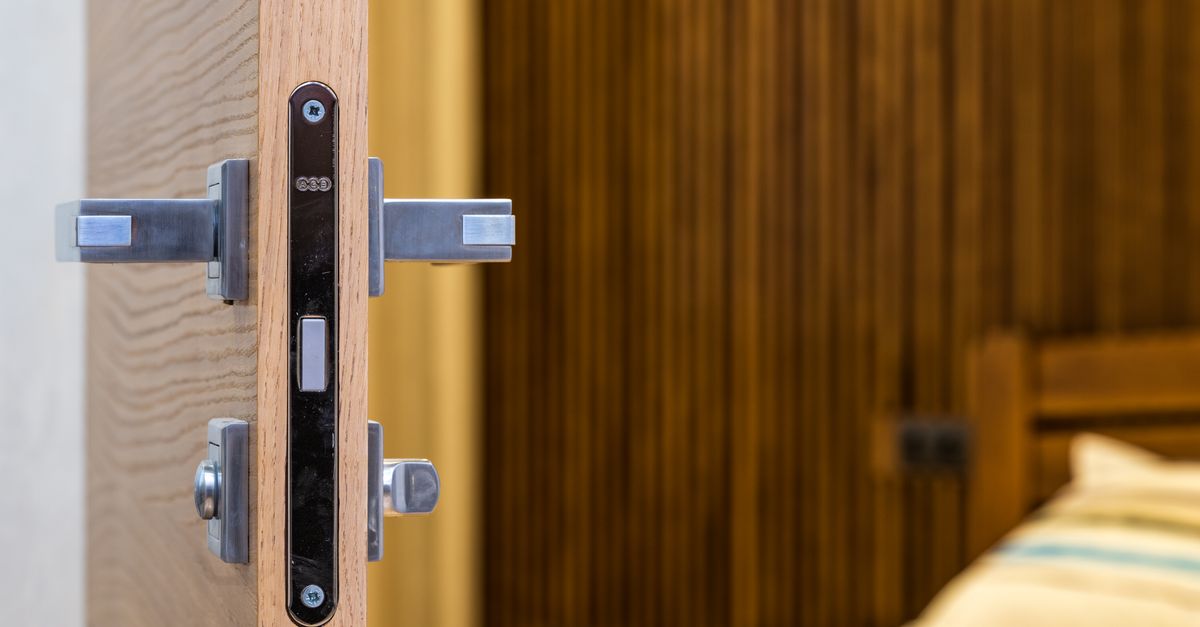
The hardware at the centre of a commercial-grade tiered system is almost always the mortise lock. A locksmith mortise lock installation delivers the depth of keyway and the number of pin chambers needed to create enough key differs (unique cuts) across a large hierarchy. Mortise locks are recessed into the door itself rather than surface-mounted, giving them superior resistance to forced entry and a clean professional profile that suits office corridors, hotel rooms, apartment lobbies, and heritage storefronts in areas like the Distillery District or Leslieville. We work with reputable hardware lines including Schlage and other commercial-grade manufacturers so that every cylinder we fit matches the security rating your property requires.