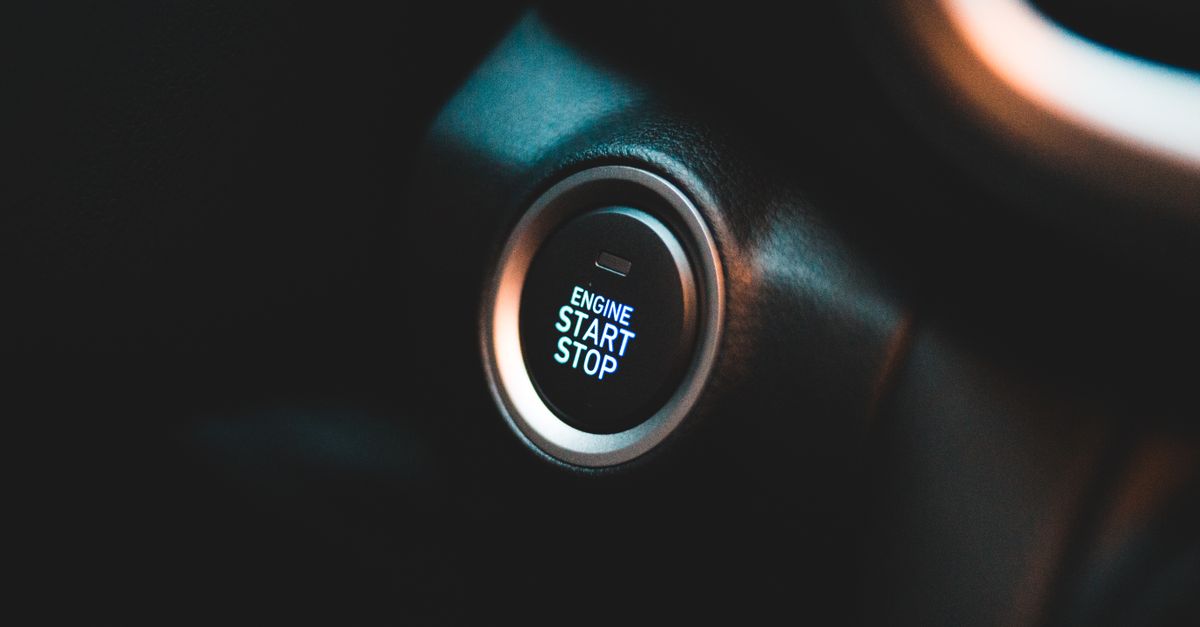
Why Vehicle Ignitions Fail — and Why It Matters More Than You Think
The ignition cylinder is a precision mechanical component that endures thousands of insertion and rotation cycles over a vehicle's life. Over time, the wafers or pins inside the cylinder wear down, spring tension weakens, and the tolerances that once matched your key perfectly begin to slip. Toronto drivers contend with an especially punishing environment: road salt residue works its way into keyholes through winter, freeze-thaw cycles cause metal components to expand and contract repeatedly, and the stop-and-go traffic patterns common on routes like the Gardiner Expressway or the DVP mean keys are turned far more frequently than highway-heavy commutes would demand. The result is a cylinder that starts life crisp and predictable and ends up sticky, loose, or completely seized.
Beyond simple wear, ignition problems are sometimes the downstream effect of a bent or worn key that has gradually reshaped the cylinder's internal wafers. Using a key ring loaded with heavy fobs adds side-load stress to the cylinder every time the vehicle is in motion, accelerating this damage. In other cases, a previous attempted theft — unfortunately not rare in certain Toronto neighbourhoods — can leave the cylinder damaged in ways that are not always obvious until the ignition begins to misbehave. Identifying the true root cause before touching the cylinder is the difference between a clean repair and a costly repeat visit, which is why our technicians begin every job with a thorough diagnostic.