What Is a Mortise Lock and Why Older Toronto Homes Depend on Them
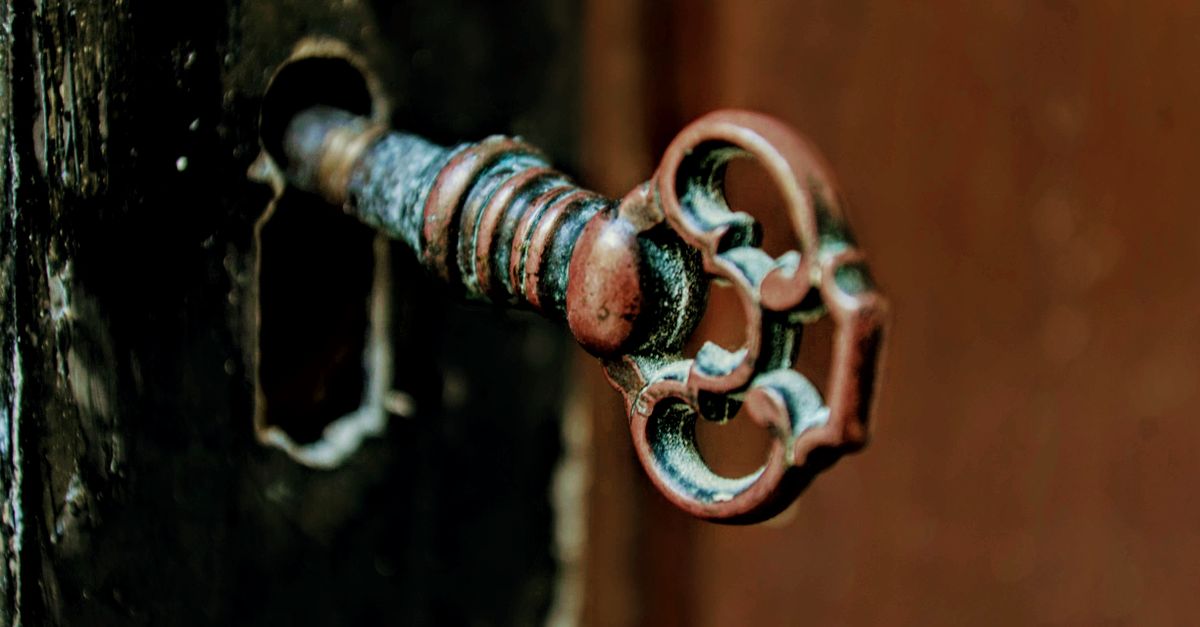
A mortise lock is a complete, self-contained locking mechanism housed inside a metal case that sits flush within a mortise — a precisely cut rectangular pocket — in the door body itself. Unlike a cylindrical bored lock (the kind found on most modern interior doors), a mortise lock set integrates the latch bolt, deadbolt, trim, and sometimes an auxiliary lock function into a single unified body. This makes them mechanically robust and far more resistant to kick-in attacks than standard door knob lock assemblies. The exposed portion you see is just the faceplate and the trim hardware; the real mechanism is buried inside the door, held by a set screw and a cylinder that threads or clips into the case from the outside.
In Toronto's pre-war housing stock, mortise locks were the standard for every exterior door. Builders in neighbourhoods like Roncesvalles, Leslieville, and High Park fitted these locks into solid wood doors that were often 1.75 to 2 inches thick — doors that are still in service today. Brands like Corbin Russwin mortise lock hardware and Baldwin mortise lock sets were installed in higher-end residential and commercial builds throughout the mid-20th century and remain common in the city's heritage properties. Understanding the mechanism is the first step toward maintaining it correctly, which is why our locksmith technicians always take time to explain what they find before touching anything.