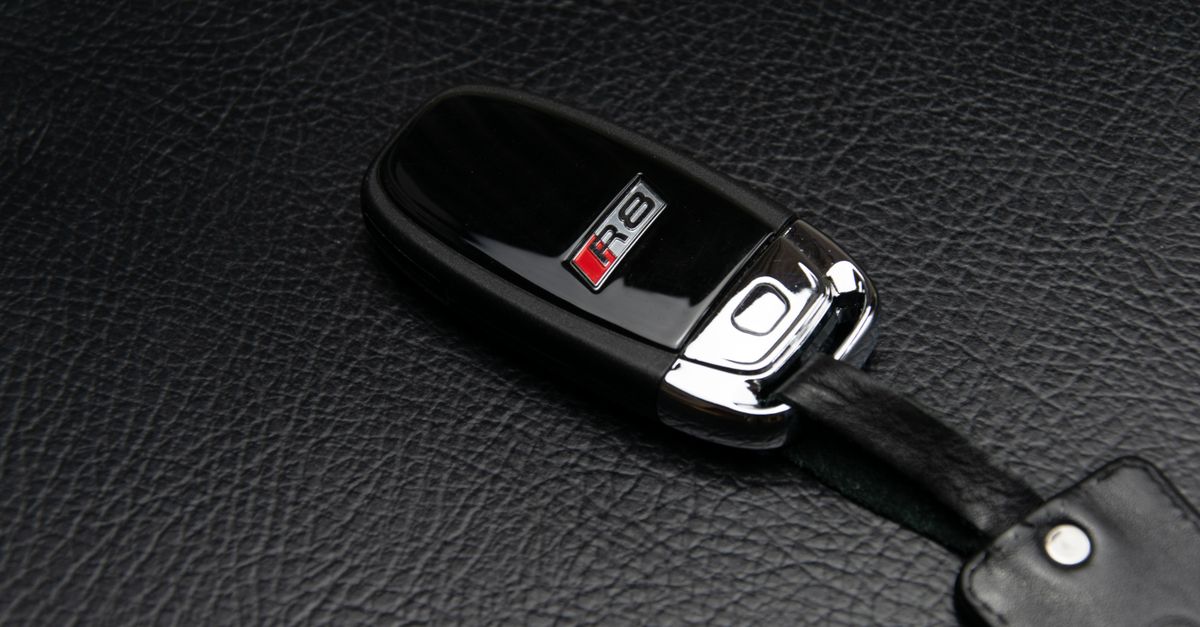
What Makes Audi Key Replacement More Complex Than Most Vehicles
Audi has steadily raised the bar on vehicle security over the past two decades. Models from the late 1990s used basic transponder chips — small glass-encased RFID devices embedded in the key head that communicate with the car's immobilizer. If the chip isn't programmed, the engine simply won't start, even if the mechanical cut is perfect. From roughly 2006 onward, Audi moved to more sophisticated systems: rolling-code key fobs, comfort-access proximity keys (often called 'keyless go'), and eventually the virtual key systems found in recent A6, A8, and e-tron lineups. Each generation requires different programming equipment, different software protocols, and different key blanks — which is exactly why a one-size-fits-all approach doesn't work for Audi owners.
The vehicle identification number plays a critical role in the process. Before our technicians program any key or fob, they confirm ownership through government-issued ID matched to the vehicle registration. This step is non-negotiable and protects both the vehicle owner and the integrity of the service. Once ownership is verified, we pull the vehicle data we need to cut the key to the correct profile and write the correct transponder or proximity-key data for your specific Audi's immobilizer. The entire process happens at your location — no towing required.