Honda Car Key Replacement: What Makes Honda Keys Different
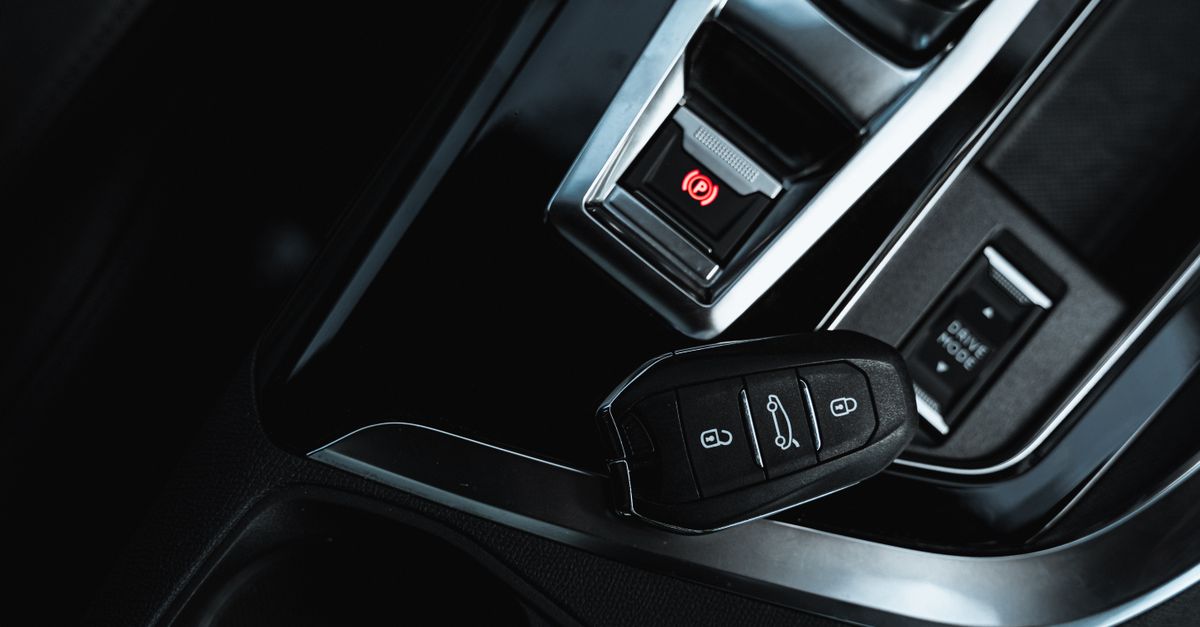
Honda has used several distinct key and ignition technologies across its model lineup over the past two decades, and understanding which system your vehicle uses is the first step toward a successful replacement. Early 2000s Civics and Accords used basic transponder chips — a tiny glass-encased chip inside the key head that must be programmed to communicate with the car's ECU before the engine will start. Mid-range models moved to flip-style remote head keys that combine a physical blade, a transponder chip, and remote locking buttons all in one unit. Newer Honda Pilots, Odysseys, and CR-Vs often use proximity smart keys, sometimes called Honda Smart Entry keys, which allow push-button start without inserting anything into the ignition. Each generation requires different cutting equipment and different programming protocols, which is why our technicians carry the diagnostic and key-cutting tools to handle the full Honda range on-site.
The physical blade profile also varies across Honda trims and model years, so even a correctly programmed chip won't work if the blade is cut to the wrong specification. On select trucks and crossovers, owners have asked about a 2017 Honda Ridgeline pop and lock installation — integrating aftermarket power-lock modules with the existing key fob system — which is another task our team can assess and advise on during a service call. Bottom line: Honda key replacement is a multi-step process involving cutting, programming, and verification, all of which Astral Pass Lock & Key performs at your location, without requiring a dealership appointment.